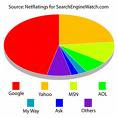
You can have the most beautiful website, but if people cannot find your list on search engines, it is not much good, is it? Search engine optimization is the important aspect of development and placement of a website. If your site is optimized well, you should obtain a better chance of being listed by search engines as the high relevant page for the search query.
Every search engines employ an algorithm to regulate the ranking order of matching web pages in their search result pages. Each page is graded on the number of the search terms it contains, where the words are located in the document, and other criteria that changes frequently. So if you are a website owner, consider optimizing your website and ensure your web page contents are spider friendly.
Saturday, January 16, 2010

Wednesday, January 6, 2010
Introduction to Affiliate Marketing
Introduction to Affiliate Marketing It’s a fact that many affiliate marketers are earning a substantial income. The question: Will it work for everyone? The simple answer: No, it won’t ! I made a conscious decision to give Internet Affiliate Marketing a try a few months ago, motivated by the fact that I wanted to supplement my income.
Tuesday, November 10, 2009
SEO Search Now
SEO is not rocket science; it's much more difficult than rocket science. To become a ninja-level SEO master takes years of practice for most people, and like a ninja if you don't practice, one quickly loses one's skills. The reason for this is that the search algorithms shift constantly, and as they are well guarded secrets, you never know what the search engineers are up to. No, it's not rocket science; It's more like reverse engineering a UFO that you can only see off in the distance and whose propulsion system constantly shifts gears.
Sunday, September 6, 2009
Top 18 Benefits of Our Service
1. Securing "unidirectional" or only-Incoming (non-reciprocal) links
2. Links with relevant "Keywords" in the Anchor Text
3. Links from industry-relevant pages
4. Links from industry specific article pages
5. Link to your site should not be through a "redirect" script
6. No JavaScript links
7. No links from "framed" pages
8. No "flash" embedded links
9. No paid or time-bound links
10. No email spam used to solicit links.
11. No links from Link Farms
12. No links from FFA (Free-For-All) link networks
13. No links from pornographic and other sites containing offensive content
14. Full data sheet of links created at the end of each month
15. Only relevant established links are counted in the final report
16. No links text nude
17. No “no follow” links
2. Links with relevant "Keywords" in the Anchor Text
3. Links from industry-relevant pages
4. Links from industry specific article pages
5. Link to your site should not be through a "redirect" script
6. No JavaScript links
7. No links from "framed" pages
8. No "flash" embedded links
9. No paid or time-bound links
10. No email spam used to solicit links.
11. No links from Link Farms
12. No links from FFA (Free-For-All) link networks
13. No links from pornographic and other sites containing offensive content
14. Full data sheet of links created at the end of each month
15. Only relevant established links are counted in the final report
16. No links text nude
17. No “no follow” links
Saturday, June 6, 2009
Is Your Brand Too Big For SEO?
I spent the first couple years of my SEO career in the B2C arena and everybody wanted and needed SEO to establish their presence online. Individuals really understood that they needed SEO to make an impression on the internet. A few years later, I moved into a predominantly B2B market and the love for SEO just wasn’t there as much.
Many of the larger companies that I have worked with tend to think that they are already big enough when it comes to online brand awareness or that their new micro-site is aimed at such a small, focused group of consumers that they don’t need SEO.
Large companies tend to have marketing messages and branded material that they’ve used for years and they’re not very interested in having someone else write the content for their new website. Nine times out of ten they do not even take into consideration that the web is an entirely different medium then what they’re accustomed to writing for.
Granted, most consumers aren’t going to search for “luxury automobile” and then suddenly remember BMW, but what if I asked them to name 10 of the top department stores? Of course they are going to be able to name at least 10, but are they going to name your company?
One of the biggest challenges that I have faced is trying to educate marketing departments on the fact that not everyone thinks the way they do. As SEO’s, keyword research is usually our first indication that the general public thinks and talks about their company in a slightly different way than industry professionals.
Show Them Results
One of the best ways I have found to convince larger corporations that they need SEO is to actually show them with results how much better their pages can perform on the search engines.
1. I usually start off with baby steps: by recommending that I rewrite just one of the website’s existing pages, I can usually avoid major hurdles with corporate approval and extensive edits. Ideally for this experiment, you’ll want to keep that existing page online to show them later how much better your new page is performing.
2. Optimize the page to the best of your ability and send as many links to it as possible. Don’t forget to focus on factors that can help drive conversion to really make the most of your test page.
3. In a few weeks, your new page should be ranking higher than their existing page, and it should be performing better with users as well.
4. Show the results to your client and continue explaining the benefits of SEO as part of a comprehensive online strategy.
In these tough economic times it can be hard getting a client to sign up with SEO when they already have established brand awareness and respectable online exposure. Lure them in with small one or two page additions to pique their interest and you can prove the value of SEO by letting your results speak for themselves. Even though they might be doing well, they can always improve their rankings.
What about you? What are some other ways you have convinced large companies to get into SEO?
Many of the larger companies that I have worked with tend to think that they are already big enough when it comes to online brand awareness or that their new micro-site is aimed at such a small, focused group of consumers that they don’t need SEO.
Large companies tend to have marketing messages and branded material that they’ve used for years and they’re not very interested in having someone else write the content for their new website. Nine times out of ten they do not even take into consideration that the web is an entirely different medium then what they’re accustomed to writing for.
Granted, most consumers aren’t going to search for “luxury automobile” and then suddenly remember BMW, but what if I asked them to name 10 of the top department stores? Of course they are going to be able to name at least 10, but are they going to name your company?
One of the biggest challenges that I have faced is trying to educate marketing departments on the fact that not everyone thinks the way they do. As SEO’s, keyword research is usually our first indication that the general public thinks and talks about their company in a slightly different way than industry professionals.
Show Them Results
One of the best ways I have found to convince larger corporations that they need SEO is to actually show them with results how much better their pages can perform on the search engines.
1. I usually start off with baby steps: by recommending that I rewrite just one of the website’s existing pages, I can usually avoid major hurdles with corporate approval and extensive edits. Ideally for this experiment, you’ll want to keep that existing page online to show them later how much better your new page is performing.
2. Optimize the page to the best of your ability and send as many links to it as possible. Don’t forget to focus on factors that can help drive conversion to really make the most of your test page.
3. In a few weeks, your new page should be ranking higher than their existing page, and it should be performing better with users as well.
4. Show the results to your client and continue explaining the benefits of SEO as part of a comprehensive online strategy.
In these tough economic times it can be hard getting a client to sign up with SEO when they already have established brand awareness and respectable online exposure. Lure them in with small one or two page additions to pique their interest and you can prove the value of SEO by letting your results speak for themselves. Even though they might be doing well, they can always improve their rankings.
What about you? What are some other ways you have convinced large companies to get into SEO?
Saturday, May 2, 2009
10 Ways for Great SEO
Most of us see the same tweets, read the same blogs and know the same case studies. We know to optimize titles and anchor text, fix canonical issues, write compelling meta descriptions and so on. In the age of social media, trade secrets are now few and far between.
If that’s the case, and we all know basically the same things, what differentiates a great SEO?
The answer is, simply, the ability to get things done.
Here are 10 things you can do to be a great SEO.
10. Be humble: Value goals beyond rankings
A great SEO knows that the ultimate success involves checking their ego. Ranking for an ultra cool term is great chest-pounding material, but the contribution to the bottom line is the currency that spends. Whether the goals are sales, or traffic, ranking for the ugly terms may not be as cool to the world, but it will be to your company.
9. Be a realist: Focus on sustainability
What can your company really expect to rank for? Think like a search engine. Are you really the right answer for a particular search term? If not, don’t spend your resources working hard for a ranking that you really don’t belong in. If you’re building a business model based on a changing algorithm, have a fundamentally sound reason for choosing your terms. If you don’t, create one. No one agrees on how bounce rate affects rankings, but long term I think everyone agrees nothing good will come of a poor performing, irrelevant page.
8. Know your product: Keyword research wins
As more and more keyword research tools become available, making sense of them becomes increasingly mundane. Successful keywords come from real world terms that often don’t jump out in tools like WordTracker or Keyword Discovery. You must know what you’re looking for and not just wait for it to be delivered to you. Know how the customers speak, and you’ll know what you’re looking for. Your own internal site search is a great tool for this.
7. Understand your resources: Plan your projects accordingly
Keep in mind, the Paid Search team has a huge advantage here. Their results are relatively predictable. Yours are not. Be certain your project is funded, planned, benchmarked and understood by others. If link building is involved, as it should be, be certain that time is budgeted for a diligent effort. Creating, sharing and following a roadmap will buy you the space to work.
6. Learn your surroundings: Identify potential roadblocks and address them
The worst thing you can do as a SEO is surprise, or ambush, people. You need to assume other departments will already be skeptical of your sorcerer ways. It’s only natural. Identify the people that will block your path. Address them with facts, privately. Do not humiliate someone who doesn’t understand SEO. What seems obvious to you may not be obvious to them. Only if you give respect do you earn the right to command it.
5. Embrace your limitations: Plug the holes
One of the hardest things to do sometimes is admit what you don’t do well. Doing so, however, will earn the respect of others and insure that those holes are plugged by other team members. Work on them as you go, but never hide them. Being great doesn’t mean you need to be great at everything. Asking for help is ok, and very much a sign of greatness.
4. Be a team player: Share the glory
Now we’re getting more into the psychology of a great SEO. It’s easy to want to take credit for a change that reaps huge rewards. Remember the IT guy that implemented it for you? Let him know how rewarding it was for the company and make sure his boss knows it. Not everyone understands how they impact the bottom line. Teach them, and recruit them, and your goals will be that much easier to meet. When people are praised or rewarded, they’ll get on your team.
3. Argue with facts: No mudslinging
Take the high road. Something simple like adding related links to a page may be a no-brainer to you, but may look like spam someone that just doesn’t understand the reason. Stay patient. You probably can’t do their job, either. Explain why your idea is necessary, and use case studies. Show them how the sites they use probably do the same thing, and they just don’t realize it. Show how rankings influence revenue, and how your project influences rankings. People can’t argue with fact-based numbers. At that point, your nemesis will need to justify their reasons with facts, and not opinions. Do this respectfully, and firmly. When it’s done, you’ll win. Or, you’ll realize SEO may be hopeless where you’re at.
2. Choose your battles: There’s more than SEO
Sometimes the decision makers understand SEO, and fly directly against a known best practice. If your company values a project component above SEO, don’t pout or write them off as morons. There’s a bigger picture and sometimes a small SEO sacrifice can reap large gains in other areas. A great SEO lives to fight another day and comes knocking at another door. You see, there’s always more than one answer. It’s your job to figure it out.
1. Understand business models: Contribute effectively
SEO is not just implementation, it’s largely strategy. Sometimes it’s a strategy that may not even be known to your company. Bring a revenue strategy, along with the SEO ability to implement it, and you’ll have gotten out of the box. You see, the key to greatness is being more than just a SEO. Bring ways to contribute to the bottom line, and make them happen, and you will have achieved greatness.
So there you have it. The difference between a great SEO, or almost any other professional, lies in their ability to get things done. Navigating pitfalls, effectively communicating and maintaining superior knowledge all lead to greatness. For future reference, I suggest you bookmark this page. It can serve as a great source for dealing with common SEO issues.
If anyone has any opinions on what makes a great SEO, please feel free to share them below. I’d love to hear how you define greatness.
If that’s the case, and we all know basically the same things, what differentiates a great SEO?
The answer is, simply, the ability to get things done.
Here are 10 things you can do to be a great SEO.
10. Be humble: Value goals beyond rankings
A great SEO knows that the ultimate success involves checking their ego. Ranking for an ultra cool term is great chest-pounding material, but the contribution to the bottom line is the currency that spends. Whether the goals are sales, or traffic, ranking for the ugly terms may not be as cool to the world, but it will be to your company.
9. Be a realist: Focus on sustainability
What can your company really expect to rank for? Think like a search engine. Are you really the right answer for a particular search term? If not, don’t spend your resources working hard for a ranking that you really don’t belong in. If you’re building a business model based on a changing algorithm, have a fundamentally sound reason for choosing your terms. If you don’t, create one. No one agrees on how bounce rate affects rankings, but long term I think everyone agrees nothing good will come of a poor performing, irrelevant page.
8. Know your product: Keyword research wins
As more and more keyword research tools become available, making sense of them becomes increasingly mundane. Successful keywords come from real world terms that often don’t jump out in tools like WordTracker or Keyword Discovery. You must know what you’re looking for and not just wait for it to be delivered to you. Know how the customers speak, and you’ll know what you’re looking for. Your own internal site search is a great tool for this.
7. Understand your resources: Plan your projects accordingly
Keep in mind, the Paid Search team has a huge advantage here. Their results are relatively predictable. Yours are not. Be certain your project is funded, planned, benchmarked and understood by others. If link building is involved, as it should be, be certain that time is budgeted for a diligent effort. Creating, sharing and following a roadmap will buy you the space to work.
6. Learn your surroundings: Identify potential roadblocks and address them
The worst thing you can do as a SEO is surprise, or ambush, people. You need to assume other departments will already be skeptical of your sorcerer ways. It’s only natural. Identify the people that will block your path. Address them with facts, privately. Do not humiliate someone who doesn’t understand SEO. What seems obvious to you may not be obvious to them. Only if you give respect do you earn the right to command it.
5. Embrace your limitations: Plug the holes
One of the hardest things to do sometimes is admit what you don’t do well. Doing so, however, will earn the respect of others and insure that those holes are plugged by other team members. Work on them as you go, but never hide them. Being great doesn’t mean you need to be great at everything. Asking for help is ok, and very much a sign of greatness.
4. Be a team player: Share the glory
Now we’re getting more into the psychology of a great SEO. It’s easy to want to take credit for a change that reaps huge rewards. Remember the IT guy that implemented it for you? Let him know how rewarding it was for the company and make sure his boss knows it. Not everyone understands how they impact the bottom line. Teach them, and recruit them, and your goals will be that much easier to meet. When people are praised or rewarded, they’ll get on your team.
3. Argue with facts: No mudslinging
Take the high road. Something simple like adding related links to a page may be a no-brainer to you, but may look like spam someone that just doesn’t understand the reason. Stay patient. You probably can’t do their job, either. Explain why your idea is necessary, and use case studies. Show them how the sites they use probably do the same thing, and they just don’t realize it. Show how rankings influence revenue, and how your project influences rankings. People can’t argue with fact-based numbers. At that point, your nemesis will need to justify their reasons with facts, and not opinions. Do this respectfully, and firmly. When it’s done, you’ll win. Or, you’ll realize SEO may be hopeless where you’re at.
2. Choose your battles: There’s more than SEO
Sometimes the decision makers understand SEO, and fly directly against a known best practice. If your company values a project component above SEO, don’t pout or write them off as morons. There’s a bigger picture and sometimes a small SEO sacrifice can reap large gains in other areas. A great SEO lives to fight another day and comes knocking at another door. You see, there’s always more than one answer. It’s your job to figure it out.
1. Understand business models: Contribute effectively
SEO is not just implementation, it’s largely strategy. Sometimes it’s a strategy that may not even be known to your company. Bring a revenue strategy, along with the SEO ability to implement it, and you’ll have gotten out of the box. You see, the key to greatness is being more than just a SEO. Bring ways to contribute to the bottom line, and make them happen, and you will have achieved greatness.
So there you have it. The difference between a great SEO, or almost any other professional, lies in their ability to get things done. Navigating pitfalls, effectively communicating and maintaining superior knowledge all lead to greatness. For future reference, I suggest you bookmark this page. It can serve as a great source for dealing with common SEO issues.
If anyone has any opinions on what makes a great SEO, please feel free to share them below. I’d love to hear how you define greatness.
Top 4 Sites For SMBs Navigating Social Media
I know. You don’t care how important the so-called “experts” tell you social media is. You’re a small business owner and that means you’re busy. You don’t have time to be everywhere or to try the “next big thing”. Luckily for you, you don’t have to. If you’re a small business owner you can still use social media to find new customers without letting it take over your life. And below you’ll find what I think are the top social media sites to help you do that. The trick is navigate through the clutter and find the ones that will work best for you.
Yahoo Answers
There are a lot of Question/Answer sites out there, but Yahoo Answers stands out due to its impressively large user base and its ability to put you in contact with folks asking service-based questions broken down by location. For example, there’s a guy in Boston looking for a painter, someone in New York City looking for a wedding dress shop and a guy in San Jose looking for recommendations on a new car. Those are all opportunities for small business owners to reach out and respond to targeted service queries. You just have to know they exist and how to find them.
Yahoo Answers is also valuable for businesses where your expertise is what you’re selling. By going in and answering questions that benefit the community, you brand yourself as an expert in that category. If you’re looking for a guide to Yahoo Answers, look no further because Matt McGee has already written the book on it.
Twitter
It’s hard to talk about small business and social media these days without mentioning Twitter. Twitter is about conversation. It’s about finding the people talking about you and what you sell and forming relationships with them. One of the most underutilized aspects of Twitter for most businesses is the Advanced Search feature that allows small business owners to search for specific keywords located near a particular zip code. Companies have used it to ward off customer service complaints, to answer questions and to create an awareness that you’re not only an expert, but you’re an expert in their local area.
For example, say you run a day camp and are looking for summer labor. You can perform a search for [summer job near:02116 within:25] and find folks located 25 miles outside of Boston looking for a job for the summer. There’s even a sentiment feature that attempts to determine if they’re happy about not having a job or sad, so you know which users to go after. There are many, many ways to harness the power of Twitter for local businesses, you just have to know where and how to jump in.
Wordpress
A blog is a powerful sales tool for small businesses because it acts as a differentiator between you and your competition. Your small business blog will not only act as a customer service and educational tool, but it will encourage customers to interact with you, will be crucial in crisis management, and can even help you pick up rankings for keywords you’re not targeting with the rest of your site. A lot of businesses lose out on customers by failing to establish a point of difference or personal story. Your blog enables you to do that. It’s your space to show your customers who you are, to listen, and to connect with them on a more personal level. As far social media outlets go, creating a blog is often one of the best investments you can make to boost your business and retain and attract customers.
Flickr
Flickr provides an avenue for small business owners to find customers with product-based needs (different from Yahoo Answers, which targets service-based needs). By going into the Groups section and searching for your particular area, you can find a list of groups that deal with topics either related to what you do or parallel topics that may share a common customer base.
For example, a search for Boston may reveal a group of car lovers looking for classic car parts or a gem in perfect condition someone’s looking to sell. A local group for photography may be seeking recommendations on new camera types. You should try to join the groups related to your area to help monitor the conversations and find places where it makes sense for you to join in. To make this task easier, subscribe to the RSS feed so that you’re automatically updated once a new discussion topic is added. You can also use Flickr for new content strategies.
Other Notable Mentions for Small Businesses:
* GetSatisfaction: A hub for small businesses to address customer service issues head on before they become larger problems.
* YouTube: Create product demos, how-to videos and engage customers in a way that separates your company from the herd of “me toos“ out there.
* LinkedIn: Create a profile for both yourself and your corporation and take advantage of the Question/Answer feature similar to Yahoo Answers.
* Facebook: Offers strong demographic targeting options both in the advertising opportunities (very high conversions for local businesses!), as well as with corporate Fan pages.
Social media remains a cost effective way for many businesses to reach out to customers. Because of your small size, you can create more targeted, more manageable online communities that convert both online and off. The trick to tackling social media is not to be everywhere, but to instead be everywhere your customers are.
Yahoo Answers
There are a lot of Question/Answer sites out there, but Yahoo Answers stands out due to its impressively large user base and its ability to put you in contact with folks asking service-based questions broken down by location. For example, there’s a guy in Boston looking for a painter, someone in New York City looking for a wedding dress shop and a guy in San Jose looking for recommendations on a new car. Those are all opportunities for small business owners to reach out and respond to targeted service queries. You just have to know they exist and how to find them.
Yahoo Answers is also valuable for businesses where your expertise is what you’re selling. By going in and answering questions that benefit the community, you brand yourself as an expert in that category. If you’re looking for a guide to Yahoo Answers, look no further because Matt McGee has already written the book on it.
It’s hard to talk about small business and social media these days without mentioning Twitter. Twitter is about conversation. It’s about finding the people talking about you and what you sell and forming relationships with them. One of the most underutilized aspects of Twitter for most businesses is the Advanced Search feature that allows small business owners to search for specific keywords located near a particular zip code. Companies have used it to ward off customer service complaints, to answer questions and to create an awareness that you’re not only an expert, but you’re an expert in their local area.
For example, say you run a day camp and are looking for summer labor. You can perform a search for [summer job near:02116 within:25] and find folks located 25 miles outside of Boston looking for a job for the summer. There’s even a sentiment feature that attempts to determine if they’re happy about not having a job or sad, so you know which users to go after. There are many, many ways to harness the power of Twitter for local businesses, you just have to know where and how to jump in.
Wordpress
A blog is a powerful sales tool for small businesses because it acts as a differentiator between you and your competition. Your small business blog will not only act as a customer service and educational tool, but it will encourage customers to interact with you, will be crucial in crisis management, and can even help you pick up rankings for keywords you’re not targeting with the rest of your site. A lot of businesses lose out on customers by failing to establish a point of difference or personal story. Your blog enables you to do that. It’s your space to show your customers who you are, to listen, and to connect with them on a more personal level. As far social media outlets go, creating a blog is often one of the best investments you can make to boost your business and retain and attract customers.
Flickr
Flickr provides an avenue for small business owners to find customers with product-based needs (different from Yahoo Answers, which targets service-based needs). By going into the Groups section and searching for your particular area, you can find a list of groups that deal with topics either related to what you do or parallel topics that may share a common customer base.
For example, a search for Boston may reveal a group of car lovers looking for classic car parts or a gem in perfect condition someone’s looking to sell. A local group for photography may be seeking recommendations on new camera types. You should try to join the groups related to your area to help monitor the conversations and find places where it makes sense for you to join in. To make this task easier, subscribe to the RSS feed so that you’re automatically updated once a new discussion topic is added. You can also use Flickr for new content strategies.
Other Notable Mentions for Small Businesses:
* GetSatisfaction: A hub for small businesses to address customer service issues head on before they become larger problems.
* YouTube: Create product demos, how-to videos and engage customers in a way that separates your company from the herd of “me toos“ out there.
* LinkedIn: Create a profile for both yourself and your corporation and take advantage of the Question/Answer feature similar to Yahoo Answers.
* Facebook: Offers strong demographic targeting options both in the advertising opportunities (very high conversions for local businesses!), as well as with corporate Fan pages.
Social media remains a cost effective way for many businesses to reach out to customers. Because of your small size, you can create more targeted, more manageable online communities that convert both online and off. The trick to tackling social media is not to be everywhere, but to instead be everywhere your customers are.
Study On Google Sitemaps
The Google Webmaster Central blog notified us that Googlers have presented a new study on Sitemaps at the WWW’09 conference in Madrid. The study is absolutely interesting and I recommend printing out the ten page PDF document and reading it. For those of you who don’t have time for that, I hope to highlight the most interesting findings from the study below.
The purpose of the study was to measure the past few years of Sitemaps usage at Google to determine how Sitemap files improve coverage and freshness of the Google web index. By coverage, I mean how Google crawls the web deeper and finds more content that it might not have found. Bt freshness, I mean how Google crawls new or updated content faster, when compared to the normal crawl.
Interesting facts from the study:
* ~35 million Sitemaps were published, as of October 2008.
* The 35 million Sitemaps include “several billion” URLs.
* Most popular Sitemap formats include XML (77%), Unknown (17.5%), URL list (3.5%), Atom (1.6%) and RSS (0.11%).
* 58% of URLs in Sitemaps contain the lastmodification date.
* 7% of URLs contain the change frequency field.
* 61% of URLs contain the priority field.
The paper discusses the process used by Google for Sitemaps. Here is a flow diagram that explains it quickly.
Google sitemaps crawl process
Coverage: The dataset used to measure the “coverage” of Sitemaps was approximately 3 million URLs, 1.7 millions URLs specifically from Sitemaps and the remainder from the normal discovery process. Duplicate URLs were close to one million during the discovery crawl process, as opposed to only a 100 duplicate URLs in the Sitemaps files. In short, the study found that discovery was 63% “efficient” and Sitemaps was 99% efficient in crawling the domain at the cost of mission a small fraction of content.
* The percent of duplicates inside Sitemaps is mostly similar to the overall percent of duplicates.
* 46% of the domains have above 50% UniqueCoverage and above 12% have above 90% UniqueCoverage.
* For most domains, Sitemaps achieves a higher percent of URLs in the index with less unique pages.
Freshness: How fresh can Google get with Sitemaps?
* 78% of URLs were seen by Sitemaps first, compared to 22% that were seen through discovery first.
* 14.2% of URLs are submitted through ping
* The probability of seeing a URL through Sitemaps before seeing it through discovery is independent of whether the Sitemaps was submitted using pings or using robots.txt
The paper then goes on to talk about coming up with ways to determine the crawl order, either via Sitemaps or Discovery. Concepts such as SitemapScore and DiscoveryScore are brought up and possible methods.
The study seems like a great read for most SEOs interested in understanding how Google Sitemaps work and how it can benefit your sites.
The purpose of the study was to measure the past few years of Sitemaps usage at Google to determine how Sitemap files improve coverage and freshness of the Google web index. By coverage, I mean how Google crawls the web deeper and finds more content that it might not have found. Bt freshness, I mean how Google crawls new or updated content faster, when compared to the normal crawl.
Interesting facts from the study:
* ~35 million Sitemaps were published, as of October 2008.
* The 35 million Sitemaps include “several billion” URLs.
* Most popular Sitemap formats include XML (77%), Unknown (17.5%), URL list (3.5%), Atom (1.6%) and RSS (0.11%).
* 58% of URLs in Sitemaps contain the lastmodification date.
* 7% of URLs contain the change frequency field.
* 61% of URLs contain the priority field.
The paper discusses the process used by Google for Sitemaps. Here is a flow diagram that explains it quickly.
Google sitemaps crawl process
Coverage: The dataset used to measure the “coverage” of Sitemaps was approximately 3 million URLs, 1.7 millions URLs specifically from Sitemaps and the remainder from the normal discovery process. Duplicate URLs were close to one million during the discovery crawl process, as opposed to only a 100 duplicate URLs in the Sitemaps files. In short, the study found that discovery was 63% “efficient” and Sitemaps was 99% efficient in crawling the domain at the cost of mission a small fraction of content.
* The percent of duplicates inside Sitemaps is mostly similar to the overall percent of duplicates.
* 46% of the domains have above 50% UniqueCoverage and above 12% have above 90% UniqueCoverage.
* For most domains, Sitemaps achieves a higher percent of URLs in the index with less unique pages.
Freshness: How fresh can Google get with Sitemaps?
* 78% of URLs were seen by Sitemaps first, compared to 22% that were seen through discovery first.
* 14.2% of URLs are submitted through ping
* The probability of seeing a URL through Sitemaps before seeing it through discovery is independent of whether the Sitemaps was submitted using pings or using robots.txt
The paper then goes on to talk about coming up with ways to determine the crawl order, either via Sitemaps or Discovery. Concepts such as SitemapScore and DiscoveryScore are brought up and possible methods.
The study seems like a great read for most SEOs interested in understanding how Google Sitemaps work and how it can benefit your sites.
Sunday, April 26, 2009
Websites for Fun and Profit
Most people are taught that the first rule of SEO club is that you don’t talk about SEO club (some learn this rule harder than others.) This is an important question as far as most people in the SEO community are concerned. Based on the system that information is knowledge, power, and ultimately money, you can see how people often have a vested interest in outing other peoples techniques, or keeping them secret. You also learn very quickly that who you can trust is extremely important. Everyone has their own code. Mine personally is started with - ""their are no hats, only goals". With the essence of that being that only illegal techniques are truly crossing the line, but everyone has to determine their ultimate level of risk and reward (similar to investing or anything else). Hats are bullshit. Techniques and code should be determined by one’s career choice and goals.
Websites for Fun and Profit
Most people are taught that the first rule of SEO club is that you don’t talk about SEO club (some learn this rule harder than others.) This is an important question as far as most people in the SEO community are concerned. Based on the system that information is knowledge, power, and ultimately money, you can see how people often have a vested interest in outing other peoples techniques, or keeping them secret. You also learn very quickly that who you can trust is extremely important. Everyone has their own code. Mine personally is started with - ""their are no hats, only goals". With the essence of that being that only illegal techniques are truly crossing the line, but everyone has to determine their ultimate level of risk and reward (similar to investing or anything else). Hats are bullshit. Techniques and code should be determined by one’s career choice and goals.
Websites for Fun and Profit
Most people are taught that the first rule of SEO club is that you don’t talk about SEO club (some learn this rule harder than others.) This is an important question as far as most people in the SEO community are concerned. Based on the system that information is knowledge, power, and ultimately money, you can see how people often have a vested interest in outing other peoples techniques, or keeping them secret. You also learn very quickly that who you can trust is extremely important. Everyone has their own code. Mine personally is started with - ""their are no hats, only goals". With the essence of that being that only illegal techniques are truly crossing the line, but everyone has to determine their ultimate level of risk and reward (similar to investing or anything else). Hats are bullshit. Techniques and code should be determined by one’s career choice and goals.
Friday, April 24, 2009
SEO Since
Monday, April 20th, 2009: Today I celebrate the completion of my first decade in search. I have been waiting for this day with some trepidation for the past 6 months or so. I am not really sure why or even what this anniversary really means. Does it mean that I am some sort of expert? Well, anything is possible. Or does it mean that I have wasted the past decade with little to show in an industry that my friends and family can hardly even understand? Hmm, I hope not. In truth, it means I not only have a job that I like, but a career that I love.
I represent one of a hundred or maybe even a thousand tenured SEO professionals in the world who have spent their time doing and not blogging about doing. The only notoriety that we typically gain is the word of mouth referrals from our happy clients. To some of us, these clients have become more like friends. These friends make what we do just that much more rewarding. I cannot even imagine doing anything else and came to the realization several years ago that I am going to spend the rest of my life with a career centered around the web. I guess only time will tell what that Tuesday morning in 1999 really started.
I represent one of a hundred or maybe even a thousand tenured SEO professionals in the world who have spent their time doing and not blogging about doing. The only notoriety that we typically gain is the word of mouth referrals from our happy clients. To some of us, these clients have become more like friends. These friends make what we do just that much more rewarding. I cannot even imagine doing anything else and came to the realization several years ago that I am going to spend the rest of my life with a career centered around the web. I guess only time will tell what that Tuesday morning in 1999 really started.
Simple SEO Changes to Improve Unexpected Rankings
You may notice that some of your blog posts are drawing search engine traffic for particular search phrases and keywords (especially if your blog has had some time to establish itself with search engines). Even if you are doing keyword research prior to writing posts, you’ll almost definitely see that some of these phrases that are producing traffic are not something that you had intentionally targeted. While this is a nice surprise, it also means that there is likely more potential if you’re willing to make some small, but significant, tweaks.
If you’re drawing search traffic from a phrase that you’re not targeting, it probably means that you could be ranked even higher, and draw even more traffic as a result, if you make some changes to optimize your post accordingly. Just because a post was published at some point in the past doesn’t mean that it can’t be modified and made to be more effective.
In this post we’ll look at a few simple changes that can be made to improve upon these unintentional rankings. By taking a relatively small amount of time to recognize these opportunities and act on them, you could be setting yourself up for significantly more search engine traffic on an on-going basis.
First of all, you’ll need to find the keywords and phrases that are already driving traffic to your site. These are the search terms that you know are already producing results, so making a small effort to move up in the rankings is well worth your time. If your post is ranked 5th in Google for a particular phrase without even attempting to optimize the page, you may be able to quickly improve to the 1st or 2nd spot and see a noticeable increase in traffic. Repeat this process for a few different posts and the results will add up.
As an example, I have a post on my primary blog that has steadily attracted search traffic for the past six months or so. It’s not a ridiculous amount of traffic each day, but it does come from some fairly competitive search phrases and it is consistent every day, which adds up over the span of a month. I recently spent a few minutes to look into which search phrases were sending traffic to this post and I was surprised to see that I was ranked 4th in Google for a phrase that didn’t seem to be optimized. I made a simple change in just a couple of minutes and within a few days the post had moved to the #1 spot for that same phrase. Since then search traffic has been up consistently for that phrase.
To find these opportunities for your own blog, look at your stats from Google Analytics (or a similar program) and see what search phrases are sending traffic to your site. Most likely these phrases will be leading traffic to a particular post rather than to your homepage, which means you can simply optimize that post to more effectively target the phrases that are already sending traffic. Just look through the phrases that are sending traffic and you’re sure to find some that could be more productive. Personally, I start with the ones that are sending the most traffic since they have potential for the best results.
In addition to looking at Google Analytics, you can also use Google Webmaster Tools. Webmaster Tools will show you some valuable data under “Statistics” and “Top Search Queries.” This will show you 20 phrases where your site is ranking well, and 20 phrases that are sending the most traffic to you. You may find some items on this list that surprise you a little bit. If they surprise you, it probably means that you weren’t intending to draw traffic from these phrases and there should be some room for improvement.
So now that you have identified a few phrases to work with, what should you do? Here are a few simple suggestions.
1. Page Titles
Page titles are the most significant on-page factor for search engine rankings. If your post is ranking very well for a particular phrase that is not exactly used in your page title, you should be able to see some improvement in the ranking if you change your page title to include this phrase. If you’re using WordPress and the All-In-One SEO Pack Plugin this is very easy. From the example that I used earlier, I didn’t remove anything from the existing title, I simply added a two-word phrase that was already producing the search traffic. As a result, with no other effort, that was enough to jump a few spots in the rankings.
2. Add New Internal Links
By adding more internal links to a particular post you will be indicating to search engines that the post is important. This is a pretty simple process, but one that most of us don’t take the time to do. If you’re blog has been around for a while you have plenty of places where you can add internal links. Go back and find posts on related topics and add a link in the content of the page or at the beginning or end of the post. Also, look for opportunities to link from any significant pages on your blog.
3. Change Anchor Text
Another factor that will influence search engine rankings is the anchor text that is used on links that point to that post. You can obviously control the anchor text used on your internal links, so take a few minutes and see what anchor text you are currently using on these links and see if it could be optimized to match the phrase that you are now targeting.
The anchor text of links from other sites to this page will also be significant, but you may or may not be able to change that. In most cases the best you could do is to contact the other blogger or website owner and ask them if they mind changing the anchor text on a particular link. I know some people do this, but I can’t say that I have ever asked someone to change the anchor text on their site for me.
4. Meta Description
While meta descriptions are not going to make a big difference in terms of rankings, an effective description is capable of improving the click-through-rate from the SERPs. For example, if your page is ranking 3rd in Google for a particular phrase, you could enter a description that will do a better job of attracting clicks from those searchers and you may find a 10% in traffic without moving up in the rankings. Again, this is something that you can easily do with the All-In-One SEO Pack Plugin.
5. Add to the Content of the Post
One of the best ways to help a post draw more traffic on an on-going basis is to make the post more useful. Most of us don’t take the time to improve our old posts, but the time can be a good investment in some cases. By making adding new or updated content you will be making the post more useful and hopefully it will attract more links in the future because it continues to be valuable. And more links mean possible improvement in rankings.
6. Write a Follow Up Post
I rarely write posts to target a specific word or phrase, but I did so about a year ago with a post on my primary blog. After a while the post attracted some links and moved up to the number one spot for the targeted phrase. After that I thought it would be nice if I could get a second post to rank well for that phrase, so I published a follow up. Since my site was already recognized by Google as a good source of information for this phrase it was pretty easy to get a second post to rank for the same phrase. Before long I had the first two spots in Google for the phrase pointing towards my two posts.
If you have a page that is ranked very high, this is a very achievable way to grab an even higher share of the traffic for this phrase. However, most of us (including me) rarely think to do this. Take a look at your posts that are ranking well, most likely you’ll find some opportunities where you could write a follow up post to target the same phrase.
Reminder:
One thing that should be pointed out here is that any changes made can also affect your rankings for that post and other search phrases. So if the post is already ranking well for your targeted phrase and you see another phrase that also is sending some traffic, you won’t want to abandon the targeted phrase by making changes that will be counterproductive.
If you’re drawing search traffic from a phrase that you’re not targeting, it probably means that you could be ranked even higher, and draw even more traffic as a result, if you make some changes to optimize your post accordingly. Just because a post was published at some point in the past doesn’t mean that it can’t be modified and made to be more effective.
In this post we’ll look at a few simple changes that can be made to improve upon these unintentional rankings. By taking a relatively small amount of time to recognize these opportunities and act on them, you could be setting yourself up for significantly more search engine traffic on an on-going basis.
First of all, you’ll need to find the keywords and phrases that are already driving traffic to your site. These are the search terms that you know are already producing results, so making a small effort to move up in the rankings is well worth your time. If your post is ranked 5th in Google for a particular phrase without even attempting to optimize the page, you may be able to quickly improve to the 1st or 2nd spot and see a noticeable increase in traffic. Repeat this process for a few different posts and the results will add up.
As an example, I have a post on my primary blog that has steadily attracted search traffic for the past six months or so. It’s not a ridiculous amount of traffic each day, but it does come from some fairly competitive search phrases and it is consistent every day, which adds up over the span of a month. I recently spent a few minutes to look into which search phrases were sending traffic to this post and I was surprised to see that I was ranked 4th in Google for a phrase that didn’t seem to be optimized. I made a simple change in just a couple of minutes and within a few days the post had moved to the #1 spot for that same phrase. Since then search traffic has been up consistently for that phrase.
To find these opportunities for your own blog, look at your stats from Google Analytics (or a similar program) and see what search phrases are sending traffic to your site. Most likely these phrases will be leading traffic to a particular post rather than to your homepage, which means you can simply optimize that post to more effectively target the phrases that are already sending traffic. Just look through the phrases that are sending traffic and you’re sure to find some that could be more productive. Personally, I start with the ones that are sending the most traffic since they have potential for the best results.
In addition to looking at Google Analytics, you can also use Google Webmaster Tools. Webmaster Tools will show you some valuable data under “Statistics” and “Top Search Queries.” This will show you 20 phrases where your site is ranking well, and 20 phrases that are sending the most traffic to you. You may find some items on this list that surprise you a little bit. If they surprise you, it probably means that you weren’t intending to draw traffic from these phrases and there should be some room for improvement.
So now that you have identified a few phrases to work with, what should you do? Here are a few simple suggestions.
1. Page Titles
Page titles are the most significant on-page factor for search engine rankings. If your post is ranking very well for a particular phrase that is not exactly used in your page title, you should be able to see some improvement in the ranking if you change your page title to include this phrase. If you’re using WordPress and the All-In-One SEO Pack Plugin this is very easy. From the example that I used earlier, I didn’t remove anything from the existing title, I simply added a two-word phrase that was already producing the search traffic. As a result, with no other effort, that was enough to jump a few spots in the rankings.
2. Add New Internal Links
By adding more internal links to a particular post you will be indicating to search engines that the post is important. This is a pretty simple process, but one that most of us don’t take the time to do. If you’re blog has been around for a while you have plenty of places where you can add internal links. Go back and find posts on related topics and add a link in the content of the page or at the beginning or end of the post. Also, look for opportunities to link from any significant pages on your blog.
3. Change Anchor Text
Another factor that will influence search engine rankings is the anchor text that is used on links that point to that post. You can obviously control the anchor text used on your internal links, so take a few minutes and see what anchor text you are currently using on these links and see if it could be optimized to match the phrase that you are now targeting.
The anchor text of links from other sites to this page will also be significant, but you may or may not be able to change that. In most cases the best you could do is to contact the other blogger or website owner and ask them if they mind changing the anchor text on a particular link. I know some people do this, but I can’t say that I have ever asked someone to change the anchor text on their site for me.
4. Meta Description
While meta descriptions are not going to make a big difference in terms of rankings, an effective description is capable of improving the click-through-rate from the SERPs. For example, if your page is ranking 3rd in Google for a particular phrase, you could enter a description that will do a better job of attracting clicks from those searchers and you may find a 10% in traffic without moving up in the rankings. Again, this is something that you can easily do with the All-In-One SEO Pack Plugin.
5. Add to the Content of the Post
One of the best ways to help a post draw more traffic on an on-going basis is to make the post more useful. Most of us don’t take the time to improve our old posts, but the time can be a good investment in some cases. By making adding new or updated content you will be making the post more useful and hopefully it will attract more links in the future because it continues to be valuable. And more links mean possible improvement in rankings.
6. Write a Follow Up Post
I rarely write posts to target a specific word or phrase, but I did so about a year ago with a post on my primary blog. After a while the post attracted some links and moved up to the number one spot for the targeted phrase. After that I thought it would be nice if I could get a second post to rank well for that phrase, so I published a follow up. Since my site was already recognized by Google as a good source of information for this phrase it was pretty easy to get a second post to rank for the same phrase. Before long I had the first two spots in Google for the phrase pointing towards my two posts.
If you have a page that is ranked very high, this is a very achievable way to grab an even higher share of the traffic for this phrase. However, most of us (including me) rarely think to do this. Take a look at your posts that are ranking well, most likely you’ll find some opportunities where you could write a follow up post to target the same phrase.
Reminder:
One thing that should be pointed out here is that any changes made can also affect your rankings for that post and other search phrases. So if the post is already ranking well for your targeted phrase and you see another phrase that also is sending some traffic, you won’t want to abandon the targeted phrase by making changes that will be counterproductive.
Wednesday, April 15, 2009
Small Business SEO: How To Launch That Web site
It’s hard when you’re small. Everything seems bigger and more intimidating. Puppies get toppled by bigger dogs, middle schoolers are stuffed in lockers and small business owners back away in fear of this whole “Internet” thing. But like the chess player who grew up to be accepted by the Homecoming Queen, you, too, can overcome! The trick is to never let your fear stop you from your plans of Word domination.
Okay, so say you’re a small business looking for search on a dime. You have your domain, your hosting is squared away, you have a few pages of content up and you’re finally ready to attract the world (or at least your city) to your Web site. Being small means you need to be smarter. It’s about doing all the little things that will pack the big rewards. Where do you start?
Localize Your Site Content
Don’t be afraid to mention your location on your Web site. Don’t make it a secret to the engines or your customers. Let them know where you live (figuratively speaking. Let’s not endanger the fam), where you work and where you’re from. It’s natural information that both the search engines and your users are going to want to know. Who do you target? What area(s) are you relevant to? When are you open? How can people can find you? Tell them.
Where do you slip in these trust and location cues within your content?
* Home page: While you’re out there telling people what you’re about, mention where you’re located. It shows customers you really exist, while also giving the engines’ local algorithms something to snack on.
* About page: Your About page should not only tell people who you are, it should tell them where you’re located. It’s one of the many trust signals users will be looking for and it acts as a great citation for the search engines.
* Press page: Do you have a page on your site that encourages people to get in touch with you for media purposes? Don’t forget to include your address, phone number and email.
* Contact page: This should be a no brainer but you’d be surprised how many people lose their brains writing Web copy. ;) Include your location, a map, your cities served, hours, email address, fax number, phone number, directions and other any information you have that establishes your location.
Create, Claim Your Business Listings
Okay, I encourage you to grab some coffee (and maybe some pizza) before setting in on this task. We understand it’s a bit time consuming, but it’s also important. With reports of nefarious others hijacking unclaimed business listings and then (virtually) closing down the company, you want to make sure you control what’s yours.
Okay, so say you’re a small business looking for search on a dime. You have your domain, your hosting is squared away, you have a few pages of content up and you’re finally ready to attract the world (or at least your city) to your Web site. Being small means you need to be smarter. It’s about doing all the little things that will pack the big rewards. Where do you start?
Localize Your Site Content
Don’t be afraid to mention your location on your Web site. Don’t make it a secret to the engines or your customers. Let them know where you live (figuratively speaking. Let’s not endanger the fam), where you work and where you’re from. It’s natural information that both the search engines and your users are going to want to know. Who do you target? What area(s) are you relevant to? When are you open? How can people can find you? Tell them.
Where do you slip in these trust and location cues within your content?
* Home page: While you’re out there telling people what you’re about, mention where you’re located. It shows customers you really exist, while also giving the engines’ local algorithms something to snack on.
* About page: Your About page should not only tell people who you are, it should tell them where you’re located. It’s one of the many trust signals users will be looking for and it acts as a great citation for the search engines.
* Press page: Do you have a page on your site that encourages people to get in touch with you for media purposes? Don’t forget to include your address, phone number and email.
* Contact page: This should be a no brainer but you’d be surprised how many people lose their brains writing Web copy. ;) Include your location, a map, your cities served, hours, email address, fax number, phone number, directions and other any information you have that establishes your location.
Create, Claim Your Business Listings
Okay, I encourage you to grab some coffee (and maybe some pizza) before setting in on this task. We understand it’s a bit time consuming, but it’s also important. With reports of nefarious others hijacking unclaimed business listings and then (virtually) closing down the company, you want to make sure you control what’s yours.
3 Awesome Multi-Feature SEO Toolbars Compared
SEO toolbars are highly useful utilities providing us with:
* Lots of useful SEO info at a glance;
* Quick access to more SEO tools and resources;
Why do you need to choose?
Toolbars take much space and also slow down your FireFox. Therefore I can afford to use no more than one SEO toolbar per FireFox profile.
How to compare?
I’ve compiled a quick comparison table (you knew I would) and added some notes below. You are more than welcome to share your own take.
Note: this comparison table is not meant to determine which one is better / worse. Instead, it aims at helping you choose the one that best fits your needs.
Note: I am describing features available by default. The tools can be configured to some extent, for example SEOquake allows to add almost any data (if you have at least some technical skills).
* Lots of useful SEO info at a glance;
* Quick access to more SEO tools and resources;
Why do you need to choose?
Toolbars take much space and also slow down your FireFox. Therefore I can afford to use no more than one SEO toolbar per FireFox profile.
How to compare?
I’ve compiled a quick comparison table (you knew I would) and added some notes below. You are more than welcome to share your own take.
Note: this comparison table is not meant to determine which one is better / worse. Instead, it aims at helping you choose the one that best fits your needs.
Note: I am describing features available by default. The tools can be configured to some extent, for example SEOquake allows to add almost any data (if you have at least some technical skills).
online webmasters
surjan.seo@gmail.com
antonello.leone@gmail.com,
antoniolevy@gmail.com,
antons3311@gmail.com,
anuj.jaipuri@gmail.com,
anujbhatia36@gmail.com,
anurag@gmail.com,
anurita.seo@gmail.com,
anushree7@gmail.com,
apwestern@gmail.com,
aquatech.water@gmail.com,
aquene@gmail.com,
archyboy@gmail.com,
arfelc@gmail.com,
arghya.royseo@gmail.com,
aric.scott@gmail.com,
arick.seo@gmail.com,
[16:32:44] … arielsoleo8@gmail.com,
arih.jain@gmail.com,
arin.herein@gmail.com,
arin.iem@gmail.com,
arindam.khastagir@gmail.com,
arindamsoft@gmail.com,
arman.sharma1@gmail.com,
arnonf@gmail.com,
arpit.agarwal82@gmail.com,
arshikhan.seo@gmail.com,
artclub.paintings@gmail.com,
artiseo20@gmail.com,
artist.4.hire@gmail.com,
artizany@gmail.com,
artjewel@gmail.com,
artsoilpaintingslink@gmail.com,
arunava.royseo@gmail.com,
arunava.k@gmail.com,
arvindv99@gmail.com,
aryan.home@gmail.com,
aryan.seo@gmail.com,
aryan7828@gmail.com,
aryo.sanjaya@gmail.com,
asadaman@gmail.com,
aseosd@gmail.com,
aseosony@gmail.com,
asfriendly@gmail.com,
ash.davis@gmail.com,
asher.elvin@googlemail.com,
ashfaq.eskayseo@gmail.com,
sunil85ster@gmail.com,
aglashish29@gmail.com,
ashish.coder@gmail.com,
ashish.ku.singla@gmail.com,
ashish595@gmail.com,
ashishshani.sahni15@gmail.com,
ashishwd@gmail.com,
ashleylove4u@gmail.com,
ashok.instablog@gmail.com,
ashutoshindian@gmail.com,
ashwini.rajoriya@gmail.com,
asiawebmedia@gmail.com,
asif.vinove@gmail.com,
asifru@gmail.com,
asitabhsoftz@gmail.com,
ask@gerrykasper.com,
askbmwpart@gmail.com,
askimlale@googlemail.com,
aslamkhanjadoon@gmail.com,
asloveu@gmail.com,
astrojith@gmail.com,
astronomyagogo@gmail.com,
asw22pilot@gmail.com,
aswankepritan@gmail.com,
atbotg@googlemail.com,
atef.badawi@gmail.com,
ather210@googlemail.com,
atherfsd@gmail.com,
atherine.seo@gmail.com,
atib.sharma@gmail.com,
atit.dave.om@gmail.com,
atlanticwest@gmail.com,
atomic55net@gmail.com,
atri.rkweb@gmail.com,
attitude912@gmail.com,
attorney.familylaw@gmail.com,
attri.sharad@gmail.com,
atul.saxena3@gmail.com,
atul.seo.linkbuilding@gmail.com,
atul.seo@gmail.com,
atul.shukla.cci@gmail.com,
atulpariharmca@gmail.com,
atulshukla84@gmail.com,
audiolineout@gmail.com,
august.lag@gmail.com,
aulboyet@gmail.com,
aupadhyay014.hws@gmail.com,
aushansingh@gmail.com,
austin.webexchange@gmail.com,
austinyellowbike@gmail.com,
avalanche@gmail.com,
aviksarkhel@gmail.com,
avinabtraders@gmail.com,
avi4mdelhi@gmail.com,
avinash.khandare@gmail.com,
avinash.seo@gmail.com,
avinash.seo1@gmail.com,
avinashsonee@gmail.com,
awaiszaidee@gmail.com,
awasthipoonam@gmail.com,
awesome.anju@gmail.com,
axiomlinks@gmail.com,
ayan.biswas82@gmail.com,
ayeshakapoor85@gmail.com,
aysha.seo@gmail.com,
aysha5050seo@gmail.com,
ayurvedcure@gmail.com,
ayushikashyap@gmail.com,
azamthatte@gmail.com,
azharquick@gmail.com,
azhr21ali@gmail.com,
azrael@gmail.com,
azumi.joan@gmail.com,
babelglossary@gmail.com,
baby.is.shy@gmail.com,
babyfavors82@gmail.com,
babyjuly86@gmail.com,
backgroundclark@gmail.com,
backlinking@gmail.com,
badekkila@gmail.com,
bagri.harish@gmail.com,
bahaar.kapruwan@gmail.com,
bahan_kumar@gmail.com,
bahankumar@gmail.com,
bahuguna2007@gmail.com,
bala1885@googlemail.com,
balaeie@gmail.com,
balaji.angu@gmail.com,
balaji.jaipur@gmail.com,
balbir@gdtechindia.com,
balicenter@gmail.com,
balijee@gmail.com,
balinda.gracias@gmail.com,
balyimez@gmail.com,
bambychahal@gmail.com,
banahansigantayat@gmail.com,
banerjee.soma@gmail.com,
bansal.1977delhi@gmail.com,
bapu.prabir@gmail.com,
bapunu31@gmail.com,
barelylegalblog@gmail.com,
barry.or.s@gmail.com,
barry.schwartz@gmail.com,
basantmalviya@gmail.com,
basit.sea@gmail.com,
bastertony1@gmail.com,
basusumanto.28@gmail.com,
bayouscents@gmail.com,
beekinn@gmail.com,
beena666@gmail.com,
beewen@gmail.com,
behera.laxmidhar@gmail.com,
belinda.gracias@gmail.com,
benifer.gracias@gmail.com,
benjamin.dubow@gmail.com,
berrjames@gmail.com,
bertomartinez@gmail.com,
bertson.seo@gmail.com,
[16:32:58] … besanto12@gmail.com,
bestbeachesindiaseo@gmail.com,
bestmarketoffers@gmail.com,
bestmedicaresupplement@gmail.com,
beststeel@gmail.com,
bestwritingpen@gmail.com,
bfopnow@gmail.com,
bgjaaster@gmail.com,
bgvisit@gmail.com,
bhaba@speedfind.biz,
bhanu420@gmail.com,
bharat.indian@gmail.com,
bharatadesam@gmail.com,
bharats07@gmail.com,
bharatsharandwivedi@gmail.com,
bhargava.gautam@gmail.com,
bhaskar.in@gmail.com,
bhavnaotist@gmail.com,
bhojani@gmail.com,
bhoomionline2007@gmail.com,
bhupendra.kunvar@gmail.com,
bhupi117@gmail.com,
bhupy.sharma@gmail.com,
bibbyjen@gmail.com,
bibhulipu@gmail.com,
biganderson@gmail.com,
bigapplehea@gmail.com,
bigapplehead@gmail.com,
bigboobster@gmail.com,
bigrigjobs.tina@gmail.com,
bigtopbouncers@gmail.com,
bigtsports@gmail.com,
bijan.mobasseri@gmail.com,
bijendra.webmaster@gmail.com,
bikash888@gmail.com,
bikram.chowdhury@gmail.com,
bill.elizabeth@gmail.com,
billurell@gmail.com,
binduiyer@gmail.com,
biojobsinfo@gmail.com,
biosyn.seo@gmail.com,
bipasha.seo@gmail.com,
bisht.seo@gmail.com,
biswanathbhutia@gmail.com,
biswas.prasant@gmail.com,
bkumar.jpr@gmail.com,
bkvoltm@gmail.com,
black.seojob1@gmail.com,
blackberry.zhang@gmail.com,
blackfive@gmail.com,
blee88@gmail.com,
bloggerscircle@gmail.com,
blogghar@googlemail.com,
blooddawn@gmail.com,
blueiceccx@gmail.com,
bnrljtm@gmail.com,
bob_grommit@gmail.com,
bobandbillshow@gmail.com,
bobby.loveme@gmail.com,
bobbyjoshi1@gmail.com,
bolttalk@gmail.com,
bonokeith@gmail.com,
bookingenquiry@gmail.com,
bookworm.seo@gmail.com,
borva.manish@gmail.com,
bossy.decosta@googlemail.com,
boy.seo@gmail.com,
brad.britton@gmail.com,
brad.parker79@gmail.com,
bradmemorialhousing@gmail.com,
brajesh.bharati@gmail.com,
brandburnmedia@gmail.com,
brandy.jone@gmail.com,
brastrapmakeover@gmail.com,
brayn.adam@gmail.com,
bretheartbobby@gmail.com,
brett.gia@gmail.com,
briandiehr@gmail.com,
bridalgown4u@gmail.com,
brijendrav@gmail.com,
brijesh123@gmail.com,
brijk.seo@gmail.com,
brijkishortiwary@gmail.com,
britto.alex@gmail.com,
brokencode@gmail.com,
bronxcity@gmail.com,
brooke.theresa@gmail.com,
bscsjitu@gmail.com,
bselincorp@gmail.com,
bsenthilkumar1978@gmail.com,
bsinfo@gmail.com,
bstablv@gmail.com,
bsthakur81@gmail.com,
btbowtie@gmail.com,
budtheteacher@gmail.com,
bukan83@gmail.com,
bulu4uu@gmail.com,
bumpshack@gmail.com,
buran.fr@gmail.com,
burgess17@gmail.com,
butcherblock.jhon@gmail.com,
buttreeks.maya@gmail.com,
c.chiranjeeb@gmail.com,
c.garcia.sanchez@gmail.com,
cachet.oes@gmail.com,
cafegadgets.webmaster@gmail.com,
caliberintl@gmail.com,
californiavictory@gmail.com,
callum.george28@gmail.com,
calvinjd@gmail.com,
camsfaq@gmail.com,
candidradio@gmail.com,
canny143@gmail.com,
canon006@gmail.com,
capriarju@gmail.com,
carol.rima72@gmail.com,
carolrprado@gmail.com,
carzlinks@gmail.com,
casualultimate@gmail.com,
cathren.johns@gmail.com,
catty.monarche@gmail.com,
caucuscoolertipjar@gmail.com,
cbathagte@gmail.com,
cbccrew@gmail.com,
cc12c90509@gmail.com,
cchgroupmail@gmail.com,
cckcorp@gmail.com,
ccsthiru@gmail.com,
cecilia.yang911@gmail.com,
cel.wickedinnovations@gmail.com,
celticweddingring@gmail.com,
centroluterano@gmail.com,
certvista@gmail.com,
chahal.pb@gmail.com,
chahal.rajguru@gmail.com,
chakde.webmaster@gmail.com,
chamara.hj@gmail.com,
chandan.bhabua@gmail.com,
changwebmaster@gmail.com,
chaoweb@gmail.com,
chapter42@gmail.com,
charan.kanhu@gmail.com,
[16:33:07] … charlesknobloch@gmail.com,
chat.seohi5@gmail.com,
chatonly4me@gmail.com,
chaudhary.2007@gmail.com,
chauhanajitsingh@gmail.com,
chauvantruong@gmail.com,
chd.hunk@gmail.com,
cheaplinkbuilder@gmail.com,
cheeramit@gmail.com,
chenle02@gmail.com,
chennai.vishnu@gmail.com,
chennaipc@gmail.com,
chenpamela1@gmail.com,
chenxiaoping83@gmail.com,
cherryckai17@gmail.com,
cherryflava@gmail.com,
cherylrials@gmail.com,
chetan.jangid12@gmail.com,
chetan12.seo@gmail.com,
chetansoni2@gmail.com,
chh.sangeeta@gmail.com,
chhgvr@gmail.com,
chicsforhire@gmai.com,
chicsforhire@gmail.com,
chiku3717@gmail.com,
chinambbs@gmail.com,
chirag.taneja@gmail.com,
chitta.mybiz@gmail.com,
chris.mcevoy@gmail.com,
chris.ridings@gmail.com,
chris.trismegistus@gmail.com,
christelle.coetzee@gmail.com,
christopher.drew@gmail.com,
christophercarder@gmail.com,
christyhaw@gmail.com,
chrizrahul@gmail.com,
cindyall@gmail.com,
cindywine@gmail.com,
cinemanila@gmail.com,
cityhippy@gmail.com,
citynights.jade@gmail.com,
civilconst@gmail.com,
clicknearnbd@gmail.com,
client@gmail.com,
clyopa@gmail.com,
cmgshradha@gmail.com,
cmode.khaja@gmail.com,
codebowl@gmail.com,
cogdill.builders@gmail.com,
col.rc.goyal@gmail.com,
colin.dolly@gmail.com,
colin.costa@gmail.com,
colin.zwiebel@gmail.com,
collegestudentsmobi@gmail.com,
columbiacityguide@gmail.com,
com@gmail.com,
comartgurgaon@gmail.com,
commas.123.siddharth@gmail.com,
common.seo@gmail.com,
communicationcoach@gmail.com,
company.s.h@gmail.com,
compuone@gmail.com,
contact.seo7@gmail.com,
contact2abhi@gmail.com,
contactatusoftech@gmail.com,
contactkristian@gmail.com,
contactsujit2006@gmail.com,
conveyancingbrokers@gmail.com,
cool3616@gmail.com,
coolkhem@gmail.com,
coolstuffguyster@gmail.com,
coolwebmistress@gmail.com,
covell@gmail.com,
craig@robinsconsulting.com,
craigh01@gmail.com,
crazyphon@gmail.com,
crespowu@gmail.com,
crippledcanary@gmail.com,
crwr77@gmail.com,
csg.linkexchange@gmail.com,
csglobal.seo@gmail.com,
cv0610@gmail.com,
cy.vivek@gmail.com,
cyclecloseouts@gmail.com,
czruqa@gmail.com,
d.tapash@gmail.com,
d@gmail.com,
d007424@gmail.com,
d1taylor@gmail.com,
dadsanddaughters@gmail.com,
dae1481116@gmail.com,
dafidoll@gmail.com,
dafneves@gmail.com,
dailypropaganda@gmail.com,
dangsoftsolutions@gmail.com,
danielle.seo@gmail.com,
danielmarkharrison@gmail.com,
daniels.charles@gmail.com,
dannyjfletcher@gmail.com,
darci.joli@gmail.com,
darren.webart@gmail.com,
darrenjame@gmail.com,
dating72@gmail.com,
dattaraaj@gmail.com,
dave.schall@gmail.com,
dave.steave@gmail.com,
daveosociologist@gmail.com,
daverosenberg@gmail.com,
david.dabin@gmail.com,
david.hunter@gmail.com,
david.wenzel@gmail.com,
davidajackson@gmail.com,
davidhousing@gmail.com,
davidsimonds007@gmail.com,
davijoan@gmail.com,
davis1anna@gmail.com,
dchseoteam@gmail.com,
dcroote@gmail.com,
ddebarajdash@gmail.com,
dealergoat@gmail.com,
dearlinker@gmail.com,
dearsigmunddontpanic@gmail.com,
deba.mishra@gmail.com,
debanjansoftz@gmail.com,
debopriya.biswas@gmail.com,
decosta@gmail.com,
deeepakseomaster@gmail.com,
deeljeabiz@gmail.com,
deep.seo07@gmail.com,
bennett.durian@gmail.com,
deepak.fac@gmail.com,
deepak.mdk@gmail.com,
deepak.raghavan@gmail.com,
deepak.seolinking@gmail.com,
deepakk@gmail.com,
deepaknagpal8@gmail.com,
deepika.chilana@gmail.com,
deepika.koshisk@gmail.com,
deepmalam@gmail.com,
deepnavigator@gmail.com,
deepsmalhotra83@gmail.com,
deepu.ghs@gmail.com,
deepulove@gmail.com,
deepulovea@gmail.com,
deepuship@gmail.com,
dejongwil@gmail.com,
deltaservice7@gmail.com,
dementedjesus@gmail.com,
denish.gupta@gmail.com,
denisyates@gmail.com,
denniegeorge@gmail.com,
denoxphonestore2@gmail.com,
derjitsudan@gmail.com,
deshawn.jon@gmail.com,
designs-tmcclint@gmail.com,
desimoeg@gmail.com,
devenbhagat@gmail.com,
devk54@gmail.com,
dhanjit.dubey@gmail.com,
dhanusree19@gmail.com,
dhar.sukanta@gmail.com,
dharaksandeep@gmail.com,
dhavald@gmail.com,
dhruvtrivedi@gmail.com,
dhvaneshadhiya@gmail.com,
dibyasinghray@gmail.com,
diddy1@gmail.com,
digiaudio.podcast@gmail.com,
digitalbanana@gmail.com,
dilip3183@gmail.com,
dimension@gmail.com,
dimpleseo@gmail.com,
dinagar@gmail.com,
dinesh.gathole@gmail.com,
dinesh.oswaltech@gmail.com,
dinesh.sanodiya@gmail.com,
dinesh2k20@gmail.com,
dinesu@gmail.com,
directeur@gmail.com,
directory@gmail.com,
directoryniche@gmail.com,
dirpandi@gmail.com,
dis4you@gmail.com,
divya.gnet@gmail.com,
divya.webmistress@gmail.com,
diwakar.professional@gmail.com,
dkls8lsj48@gmail.com,
dn.danyy@gmail.com,
dneshs@gmail.com,
dobal.webmaster@gmail.com,
dogwtf19@gmail.com,
dollmakers@gmail.com,
dolson08@gmail.com,
dom.corp@gmail.com,
domainandspace@gmail.com,
antonello.leone@gmail.com,
antoniolevy@gmail.com,
antons3311@gmail.com,
anuj.jaipuri@gmail.com,
anujbhatia36@gmail.com,
anurag@gmail.com,
anurita.seo@gmail.com,
anushree7@gmail.com,
apwestern@gmail.com,
aquatech.water@gmail.com,
aquene@gmail.com,
archyboy@gmail.com,
arfelc@gmail.com,
arghya.royseo@gmail.com,
aric.scott@gmail.com,
arick.seo@gmail.com,
[16:32:44] … arielsoleo8@gmail.com,
arih.jain@gmail.com,
arin.herein@gmail.com,
arin.iem@gmail.com,
arindam.khastagir@gmail.com,
arindamsoft@gmail.com,
arman.sharma1@gmail.com,
arnonf@gmail.com,
arpit.agarwal82@gmail.com,
arshikhan.seo@gmail.com,
artclub.paintings@gmail.com,
artiseo20@gmail.com,
artist.4.hire@gmail.com,
artizany@gmail.com,
artjewel@gmail.com,
artsoilpaintingslink@gmail.com,
arunava.royseo@gmail.com,
arunava.k@gmail.com,
arvindv99@gmail.com,
aryan.home@gmail.com,
aryan.seo@gmail.com,
aryan7828@gmail.com,
aryo.sanjaya@gmail.com,
asadaman@gmail.com,
aseosd@gmail.com,
aseosony@gmail.com,
asfriendly@gmail.com,
ash.davis@gmail.com,
asher.elvin@googlemail.com,
ashfaq.eskayseo@gmail.com,
sunil85ster@gmail.com,
aglashish29@gmail.com,
ashish.coder@gmail.com,
ashish.ku.singla@gmail.com,
ashish595@gmail.com,
ashishshani.sahni15@gmail.com,
ashishwd@gmail.com,
ashleylove4u@gmail.com,
ashok.instablog@gmail.com,
ashutoshindian@gmail.com,
ashwini.rajoriya@gmail.com,
asiawebmedia@gmail.com,
asif.vinove@gmail.com,
asifru@gmail.com,
asitabhsoftz@gmail.com,
ask@gerrykasper.com,
askbmwpart@gmail.com,
askimlale@googlemail.com,
aslamkhanjadoon@gmail.com,
asloveu@gmail.com,
astrojith@gmail.com,
astronomyagogo@gmail.com,
asw22pilot@gmail.com,
aswankepritan@gmail.com,
atbotg@googlemail.com,
atef.badawi@gmail.com,
ather210@googlemail.com,
atherfsd@gmail.com,
atherine.seo@gmail.com,
atib.sharma@gmail.com,
atit.dave.om@gmail.com,
atlanticwest@gmail.com,
atomic55net@gmail.com,
atri.rkweb@gmail.com,
attitude912@gmail.com,
attorney.familylaw@gmail.com,
attri.sharad@gmail.com,
atul.saxena3@gmail.com,
atul.seo.linkbuilding@gmail.com,
atul.seo@gmail.com,
atul.shukla.cci@gmail.com,
atulpariharmca@gmail.com,
atulshukla84@gmail.com,
audiolineout@gmail.com,
august.lag@gmail.com,
aulboyet@gmail.com,
aupadhyay014.hws@gmail.com,
aushansingh@gmail.com,
austin.webexchange@gmail.com,
austinyellowbike@gmail.com,
avalanche@gmail.com,
aviksarkhel@gmail.com,
avinabtraders@gmail.com,
avi4mdelhi@gmail.com,
avinash.khandare@gmail.com,
avinash.seo@gmail.com,
avinash.seo1@gmail.com,
avinashsonee@gmail.com,
awaiszaidee@gmail.com,
awasthipoonam@gmail.com,
awesome.anju@gmail.com,
axiomlinks@gmail.com,
ayan.biswas82@gmail.com,
ayeshakapoor85@gmail.com,
aysha.seo@gmail.com,
aysha5050seo@gmail.com,
ayurvedcure@gmail.com,
ayushikashyap@gmail.com,
azamthatte@gmail.com,
azharquick@gmail.com,
azhr21ali@gmail.com,
azrael@gmail.com,
azumi.joan@gmail.com,
babelglossary@gmail.com,
baby.is.shy@gmail.com,
babyfavors82@gmail.com,
babyjuly86@gmail.com,
backgroundclark@gmail.com,
backlinking@gmail.com,
badekkila@gmail.com,
bagri.harish@gmail.com,
bahaar.kapruwan@gmail.com,
bahan_kumar@gmail.com,
bahankumar@gmail.com,
bahuguna2007@gmail.com,
bala1885@googlemail.com,
balaeie@gmail.com,
balaji.angu@gmail.com,
balaji.jaipur@gmail.com,
balbir@gdtechindia.com,
balicenter@gmail.com,
balijee@gmail.com,
balinda.gracias@gmail.com,
balyimez@gmail.com,
bambychahal@gmail.com,
banahansigantayat@gmail.com,
banerjee.soma@gmail.com,
bansal.1977delhi@gmail.com,
bapu.prabir@gmail.com,
bapunu31@gmail.com,
barelylegalblog@gmail.com,
barry.or.s@gmail.com,
barry.schwartz@gmail.com,
basantmalviya@gmail.com,
basit.sea@gmail.com,
bastertony1@gmail.com,
basusumanto.28@gmail.com,
bayouscents@gmail.com,
beekinn@gmail.com,
beena666@gmail.com,
beewen@gmail.com,
behera.laxmidhar@gmail.com,
belinda.gracias@gmail.com,
benifer.gracias@gmail.com,
benjamin.dubow@gmail.com,
berrjames@gmail.com,
bertomartinez@gmail.com,
bertson.seo@gmail.com,
[16:32:58] … besanto12@gmail.com,
bestbeachesindiaseo@gmail.com,
bestmarketoffers@gmail.com,
bestmedicaresupplement@gmail.com,
beststeel@gmail.com,
bestwritingpen@gmail.com,
bfopnow@gmail.com,
bgjaaster@gmail.com,
bgvisit@gmail.com,
bhaba@speedfind.biz,
bhanu420@gmail.com,
bharat.indian@gmail.com,
bharatadesam@gmail.com,
bharats07@gmail.com,
bharatsharandwivedi@gmail.com,
bhargava.gautam@gmail.com,
bhaskar.in@gmail.com,
bhavnaotist@gmail.com,
bhojani@gmail.com,
bhoomionline2007@gmail.com,
bhupendra.kunvar@gmail.com,
bhupi117@gmail.com,
bhupy.sharma@gmail.com,
bibbyjen@gmail.com,
bibhulipu@gmail.com,
biganderson@gmail.com,
bigapplehea@gmail.com,
bigapplehead@gmail.com,
bigboobster@gmail.com,
bigrigjobs.tina@gmail.com,
bigtopbouncers@gmail.com,
bigtsports@gmail.com,
bijan.mobasseri@gmail.com,
bijendra.webmaster@gmail.com,
bikash888@gmail.com,
bikram.chowdhury@gmail.com,
bill.elizabeth@gmail.com,
billurell@gmail.com,
binduiyer@gmail.com,
biojobsinfo@gmail.com,
biosyn.seo@gmail.com,
bipasha.seo@gmail.com,
bisht.seo@gmail.com,
biswanathbhutia@gmail.com,
biswas.prasant@gmail.com,
bkumar.jpr@gmail.com,
bkvoltm@gmail.com,
black.seojob1@gmail.com,
blackberry.zhang@gmail.com,
blackfive@gmail.com,
blee88@gmail.com,
bloggerscircle@gmail.com,
blogghar@googlemail.com,
blooddawn@gmail.com,
blueiceccx@gmail.com,
bnrljtm@gmail.com,
bob_grommit@gmail.com,
bobandbillshow@gmail.com,
bobby.loveme@gmail.com,
bobbyjoshi1@gmail.com,
bolttalk@gmail.com,
bonokeith@gmail.com,
bookingenquiry@gmail.com,
bookworm.seo@gmail.com,
borva.manish@gmail.com,
bossy.decosta@googlemail.com,
boy.seo@gmail.com,
brad.britton@gmail.com,
brad.parker79@gmail.com,
bradmemorialhousing@gmail.com,
brajesh.bharati@gmail.com,
brandburnmedia@gmail.com,
brandy.jone@gmail.com,
brastrapmakeover@gmail.com,
brayn.adam@gmail.com,
bretheartbobby@gmail.com,
brett.gia@gmail.com,
briandiehr@gmail.com,
bridalgown4u@gmail.com,
brijendrav@gmail.com,
brijesh123@gmail.com,
brijk.seo@gmail.com,
brijkishortiwary@gmail.com,
britto.alex@gmail.com,
brokencode@gmail.com,
bronxcity@gmail.com,
brooke.theresa@gmail.com,
bscsjitu@gmail.com,
bselincorp@gmail.com,
bsenthilkumar1978@gmail.com,
bsinfo@gmail.com,
bstablv@gmail.com,
bsthakur81@gmail.com,
btbowtie@gmail.com,
budtheteacher@gmail.com,
bukan83@gmail.com,
bulu4uu@gmail.com,
bumpshack@gmail.com,
buran.fr@gmail.com,
burgess17@gmail.com,
butcherblock.jhon@gmail.com,
buttreeks.maya@gmail.com,
c.chiranjeeb@gmail.com,
c.garcia.sanchez@gmail.com,
cachet.oes@gmail.com,
cafegadgets.webmaster@gmail.com,
caliberintl@gmail.com,
californiavictory@gmail.com,
callum.george28@gmail.com,
calvinjd@gmail.com,
camsfaq@gmail.com,
candidradio@gmail.com,
canny143@gmail.com,
canon006@gmail.com,
capriarju@gmail.com,
carol.rima72@gmail.com,
carolrprado@gmail.com,
carzlinks@gmail.com,
casualultimate@gmail.com,
cathren.johns@gmail.com,
catty.monarche@gmail.com,
caucuscoolertipjar@gmail.com,
cbathagte@gmail.com,
cbccrew@gmail.com,
cc12c90509@gmail.com,
cchgroupmail@gmail.com,
cckcorp@gmail.com,
ccsthiru@gmail.com,
cecilia.yang911@gmail.com,
cel.wickedinnovations@gmail.com,
celticweddingring@gmail.com,
centroluterano@gmail.com,
certvista@gmail.com,
chahal.pb@gmail.com,
chahal.rajguru@gmail.com,
chakde.webmaster@gmail.com,
chamara.hj@gmail.com,
chandan.bhabua@gmail.com,
changwebmaster@gmail.com,
chaoweb@gmail.com,
chapter42@gmail.com,
charan.kanhu@gmail.com,
[16:33:07] … charlesknobloch@gmail.com,
chat.seohi5@gmail.com,
chatonly4me@gmail.com,
chaudhary.2007@gmail.com,
chauhanajitsingh@gmail.com,
chauvantruong@gmail.com,
chd.hunk@gmail.com,
cheaplinkbuilder@gmail.com,
cheeramit@gmail.com,
chenle02@gmail.com,
chennai.vishnu@gmail.com,
chennaipc@gmail.com,
chenpamela1@gmail.com,
chenxiaoping83@gmail.com,
cherryckai17@gmail.com,
cherryflava@gmail.com,
cherylrials@gmail.com,
chetan.jangid12@gmail.com,
chetan12.seo@gmail.com,
chetansoni2@gmail.com,
chh.sangeeta@gmail.com,
chhgvr@gmail.com,
chicsforhire@gmai.com,
chicsforhire@gmail.com,
chiku3717@gmail.com,
chinambbs@gmail.com,
chirag.taneja@gmail.com,
chitta.mybiz@gmail.com,
chris.mcevoy@gmail.com,
chris.ridings@gmail.com,
chris.trismegistus@gmail.com,
christelle.coetzee@gmail.com,
christopher.drew@gmail.com,
christophercarder@gmail.com,
christyhaw@gmail.com,
chrizrahul@gmail.com,
cindyall@gmail.com,
cindywine@gmail.com,
cinemanila@gmail.com,
cityhippy@gmail.com,
citynights.jade@gmail.com,
civilconst@gmail.com,
clicknearnbd@gmail.com,
client@gmail.com,
clyopa@gmail.com,
cmgshradha@gmail.com,
cmode.khaja@gmail.com,
codebowl@gmail.com,
cogdill.builders@gmail.com,
col.rc.goyal@gmail.com,
colin.dolly@gmail.com,
colin.costa@gmail.com,
colin.zwiebel@gmail.com,
collegestudentsmobi@gmail.com,
columbiacityguide@gmail.com,
com@gmail.com,
comartgurgaon@gmail.com,
commas.123.siddharth@gmail.com,
common.seo@gmail.com,
communicationcoach@gmail.com,
company.s.h@gmail.com,
compuone@gmail.com,
contact.seo7@gmail.com,
contact2abhi@gmail.com,
contactatusoftech@gmail.com,
contactkristian@gmail.com,
contactsujit2006@gmail.com,
conveyancingbrokers@gmail.com,
cool3616@gmail.com,
coolkhem@gmail.com,
coolstuffguyster@gmail.com,
coolwebmistress@gmail.com,
covell@gmail.com,
craig@robinsconsulting.com,
craigh01@gmail.com,
crazyphon@gmail.com,
crespowu@gmail.com,
crippledcanary@gmail.com,
crwr77@gmail.com,
csg.linkexchange@gmail.com,
csglobal.seo@gmail.com,
cv0610@gmail.com,
cy.vivek@gmail.com,
cyclecloseouts@gmail.com,
czruqa@gmail.com,
d.tapash@gmail.com,
d@gmail.com,
d007424@gmail.com,
d1taylor@gmail.com,
dadsanddaughters@gmail.com,
dae1481116@gmail.com,
dafidoll@gmail.com,
dafneves@gmail.com,
dailypropaganda@gmail.com,
dangsoftsolutions@gmail.com,
danielle.seo@gmail.com,
danielmarkharrison@gmail.com,
daniels.charles@gmail.com,
dannyjfletcher@gmail.com,
darci.joli@gmail.com,
darren.webart@gmail.com,
darrenjame@gmail.com,
dating72@gmail.com,
dattaraaj@gmail.com,
dave.schall@gmail.com,
dave.steave@gmail.com,
daveosociologist@gmail.com,
daverosenberg@gmail.com,
david.dabin@gmail.com,
david.hunter@gmail.com,
david.wenzel@gmail.com,
davidajackson@gmail.com,
davidhousing@gmail.com,
davidsimonds007@gmail.com,
davijoan@gmail.com,
davis1anna@gmail.com,
dchseoteam@gmail.com,
dcroote@gmail.com,
ddebarajdash@gmail.com,
dealergoat@gmail.com,
dearlinker@gmail.com,
dearsigmunddontpanic@gmail.com,
deba.mishra@gmail.com,
debanjansoftz@gmail.com,
debopriya.biswas@gmail.com,
decosta@gmail.com,
deeepakseomaster@gmail.com,
deeljeabiz@gmail.com,
deep.seo07@gmail.com,
bennett.durian@gmail.com,
deepak.fac@gmail.com,
deepak.mdk@gmail.com,
deepak.raghavan@gmail.com,
deepak.seolinking@gmail.com,
deepakk@gmail.com,
deepaknagpal8@gmail.com,
deepika.chilana@gmail.com,
deepika.koshisk@gmail.com,
deepmalam@gmail.com,
deepnavigator@gmail.com,
deepsmalhotra83@gmail.com,
deepu.ghs@gmail.com,
deepulove@gmail.com,
deepulovea@gmail.com,
deepuship@gmail.com,
dejongwil@gmail.com,
deltaservice7@gmail.com,
dementedjesus@gmail.com,
denish.gupta@gmail.com,
denisyates@gmail.com,
denniegeorge@gmail.com,
denoxphonestore2@gmail.com,
derjitsudan@gmail.com,
deshawn.jon@gmail.com,
designs-tmcclint@gmail.com,
desimoeg@gmail.com,
devenbhagat@gmail.com,
devk54@gmail.com,
dhanjit.dubey@gmail.com,
dhanusree19@gmail.com,
dhar.sukanta@gmail.com,
dharaksandeep@gmail.com,
dhavald@gmail.com,
dhruvtrivedi@gmail.com,
dhvaneshadhiya@gmail.com,
dibyasinghray@gmail.com,
diddy1@gmail.com,
digiaudio.podcast@gmail.com,
digitalbanana@gmail.com,
dilip3183@gmail.com,
dimension@gmail.com,
dimpleseo@gmail.com,
dinagar@gmail.com,
dinesh.gathole@gmail.com,
dinesh.oswaltech@gmail.com,
dinesh.sanodiya@gmail.com,
dinesh2k20@gmail.com,
dinesu@gmail.com,
directeur@gmail.com,
directory@gmail.com,
directoryniche@gmail.com,
dirpandi@gmail.com,
dis4you@gmail.com,
divya.gnet@gmail.com,
divya.webmistress@gmail.com,
diwakar.professional@gmail.com,
dkls8lsj48@gmail.com,
dn.danyy@gmail.com,
dneshs@gmail.com,
dobal.webmaster@gmail.com,
dogwtf19@gmail.com,
dollmakers@gmail.com,
dolson08@gmail.com,
dom.corp@gmail.com,
domainandspace@gmail.com,
Guest blogging for (a lot of) backlinks
Do links in duplicated content pages still pass value?
In my opinion, yes they do. There doesn’t even seem to be a limit to the number of times you can duplicate a page across unique domains to pass link value. You’d expect (or hope) that pages triggering the duplicate content filter at Google would have the value of their outbound links nullified, but I don’t see this happening in many cases. It’s not up to me to out specific examples of this, we’ve all seen it happening. If you haven’t, I’d suggest finding a high competition market and analyse the backlinks to a few domains. If you start seeing links from sites like articleblast.com, goarticles.com and articlesbase.com just do an exact match query in Google for some of the text you find and you’ll find your duplicate articles and inbound links.
Case study: Scraped post at SEOmoz
I decided to take a look at my post (titled “SEOmoz Tools - Top Pages on Domain Kick Ass”) published on SEOmoz a few weeks back. At the base of the article, there is a link back to my site using the anchor “SEO Consultant in London“. It’s not a particularly competitive phrase (nor is there much traffic) but, nonetheless, it’s a valid term and one for which SEOgadget ranked third for until a week or so ago. The article was scraped by at least 21 other domains, the data on which I gathered by using an “intitle” query on exact match for the post title and a randomly chosen sentence from the content, also on exact match.
How do you find scraped content?
My favourite way is just to use a search engine. In this example, I have used an “intitle” operator and a section of text that could only have appeared in the article in question.
In my opinion, yes they do. There doesn’t even seem to be a limit to the number of times you can duplicate a page across unique domains to pass link value. You’d expect (or hope) that pages triggering the duplicate content filter at Google would have the value of their outbound links nullified, but I don’t see this happening in many cases. It’s not up to me to out specific examples of this, we’ve all seen it happening. If you haven’t, I’d suggest finding a high competition market and analyse the backlinks to a few domains. If you start seeing links from sites like articleblast.com, goarticles.com and articlesbase.com just do an exact match query in Google for some of the text you find and you’ll find your duplicate articles and inbound links.
Case study: Scraped post at SEOmoz
I decided to take a look at my post (titled “SEOmoz Tools - Top Pages on Domain Kick Ass”) published on SEOmoz a few weeks back. At the base of the article, there is a link back to my site using the anchor “SEO Consultant in London“. It’s not a particularly competitive phrase (nor is there much traffic) but, nonetheless, it’s a valid term and one for which SEOgadget ranked third for until a week or so ago. The article was scraped by at least 21 other domains, the data on which I gathered by using an “intitle” query on exact match for the post title and a randomly chosen sentence from the content, also on exact match.
How do you find scraped content?
My favourite way is just to use a search engine. In this example, I have used an “intitle” operator and a section of text that could only have appeared in the article in question.
Authority LinkBuilding! What and How..
Google consider these sites as an authority in there related niches or in general. And a link from these websites considered to be an authority link. For example Wikipedia is an authority site in Google’s eye. If you succeed to get a link from there, then this link of yours will be termed as an authority link for your website. What the advantage of authority links?
A huge boost in your ranking, increase in your own site trust level. What else you want honey!!
Now many of us think or assume that only a site with .edu or .gov tld can be an authority which is not correct by any mean. Take again t he example of Wikipedia. It don’t have any .edu .or .giv tld but still Google consider it as an authority. Yahoo.com .. a simple .com domain but Google gives sufficient importance to anything coming fromt his domain. (lets forget MSN for some time :P)
But gaining links from these sources can be a real pain in ass. Although you have read at many big players blog’s that ask by sending en email to some student and he will be happily place your link at his or her blog; but trust me here, its like 1 out of 100 person that will actually reply your email and that reply will be not so encouraging. For big name its easy to get links from these sources as people are fame addicted. Once they see that this person is popular in its industry, they gonna accept everything from him, never mind it will be truth or just some stupid personnel thought. And once they get an email from that person they will be in OMG condition fro several days…bragging bout there mail at there blog or website. So what to do to get links from trusted sources for a blog or websites which is somewhat new?
I will tell you one very simple way to get links from Wikipedia. And if that link won’t remain there then believe me some Wikipedia editor is just jealous of you. So what you have to do is simply make a list of all the manufacturer’s/authorities/sources/references/glossaries etc website in your niche. Lets say you have an auto related website. Make a list of all the auto manufacturers and categorize it regionally. Here is an example of that list
A huge boost in your ranking, increase in your own site trust level. What else you want honey!!
Now many of us think or assume that only a site with .edu or .gov tld can be an authority which is not correct by any mean. Take again t he example of Wikipedia. It don’t have any .edu .or .giv tld but still Google consider it as an authority. Yahoo.com .. a simple .com domain but Google gives sufficient importance to anything coming fromt his domain. (lets forget MSN for some time :P)
But gaining links from these sources can be a real pain in ass. Although you have read at many big players blog’s that ask by sending en email to some student and he will be happily place your link at his or her blog; but trust me here, its like 1 out of 100 person that will actually reply your email and that reply will be not so encouraging. For big name its easy to get links from these sources as people are fame addicted. Once they see that this person is popular in its industry, they gonna accept everything from him, never mind it will be truth or just some stupid personnel thought. And once they get an email from that person they will be in OMG condition fro several days…bragging bout there mail at there blog or website. So what to do to get links from trusted sources for a blog or websites which is somewhat new?
I will tell you one very simple way to get links from Wikipedia. And if that link won’t remain there then believe me some Wikipedia editor is just jealous of you. So what you have to do is simply make a list of all the manufacturer’s/authorities/sources/references/glossaries etc website in your niche. Lets say you have an auto related website. Make a list of all the auto manufacturers and categorize it regionally. Here is an example of that list
Tuesday, April 14, 2009
How to make money with SEO
There are two ways to use SEO to help your organization. One is reliable and effective, the other is a glorious crap shoot that usually fails but is wonderful when it works. I'll start with the second.
The most common way to use search engine optimization is to find a keyword (like "plumbing") and do whatever you can to 'own' that word on Google. This is Google as the Yellow Pages (with free ads).
The Yellow Pages are terrific for plumbers, because if you need a plumber, that's where you're going to look. Buy the biggest ad, be the first listing, you get calls. Google is a revelation because it's a super Yellow Pages and it's free! The problem: how to be the first listing, because being the 40th listing is fairly worthless.
The answer: You probably won't be. There are 14 million matches for Plumber, and no, you won't be #1 or #2. You lost. In fact, in just about every keyword worth owning, your chances are winning are small.
(To the .00001% of the people reading this who win--congratulations. You can ignore this post.)
This method is so appealing because it's all about converting the non-converted. For free, you show up in front of people who didn't know about you and you get your shot to convert them. This is the marketer's dream.
Am I saying it's not worth trying to win? Of course not. If you can give it a shot for the right set of keywords and not spend too much or count too much on winning, then go for it. But the other method is a lot more compelling (and, yes, you can do both at the same time).
The other way to use SEO is a bit more organic. (Let's call it the White Pages approach). It involves owning a keyword that you already own. Do a search on ShoeMoney in Google and you'll find 340,000 matches. Wanna guess who's first? ShoeMoney. Why is this surprising? After all, he invented the word and he owns the domain.
Someone hears about Jeremy's site from a friend or from a blog or from some other source. They want to visit his site and they type it into Google. He told me that he gets five times as much traffic from this search term as any other on Google.
The power of this technique is that with determination and patience, you will certainly win. It requires inventing a trademark and then building a business or service or organization around this trademark that people actually talk about. You want to be able to say to someone, "just type ____ into Google."
Obviously, the only people who will do this have heard about you in some other way. So this is an amplification and word of mouth strategy, not a blue sky conversion play.
Here's the math:
If you are lucky enough to 'win' at traditional Yellow Pages SEO, you might convert a few percentage points of the traffic you get into customers. On the other hand, if you win at White Pages SEO, if you win because people talk about your unique take and use your name, you convert just about everyone. Think about that... if someone types Seth into Google, they're probably looking for me, and so when they arrive here, they stay, because they found me. If, on the other hand, they type in Cow, most of the people who end up here aren't looking for my book, so they leave.
David Meerman Scott owns the word 'Meerman'. I have no idea if he uses his middle name in real life, but it sure helps him online. Scott Ginsberg owns the term 'nametag scott'. You get the idea. It's like owning the perfect domain, via Google.
When you start to win at the White Pages strategy, it turns out that this helps you win at both. Your blog or site gets more organic traffic, which will organically raise your Google results for other words and phrases.
Step by step:
1. Make an incredible product, offer a remarkable service.
2. Associate a unique term or trademark with it. (Something that isn't generic, and preferably, not a crowded search term already).
3. Assuming that you do #1 and #2, you'll end up owning that word in the search engines. If you don't, revisit the first two steps.
The hard part, of course, is making something people choose to talk about. The good news is that this is under your control, which is better than the alternative.
The most common way to use search engine optimization is to find a keyword (like "plumbing") and do whatever you can to 'own' that word on Google. This is Google as the Yellow Pages (with free ads).
The Yellow Pages are terrific for plumbers, because if you need a plumber, that's where you're going to look. Buy the biggest ad, be the first listing, you get calls. Google is a revelation because it's a super Yellow Pages and it's free! The problem: how to be the first listing, because being the 40th listing is fairly worthless.
The answer: You probably won't be. There are 14 million matches for Plumber, and no, you won't be #1 or #2. You lost. In fact, in just about every keyword worth owning, your chances are winning are small.
(To the .00001% of the people reading this who win--congratulations. You can ignore this post.)
This method is so appealing because it's all about converting the non-converted. For free, you show up in front of people who didn't know about you and you get your shot to convert them. This is the marketer's dream.
Am I saying it's not worth trying to win? Of course not. If you can give it a shot for the right set of keywords and not spend too much or count too much on winning, then go for it. But the other method is a lot more compelling (and, yes, you can do both at the same time).
The other way to use SEO is a bit more organic. (Let's call it the White Pages approach). It involves owning a keyword that you already own. Do a search on ShoeMoney in Google and you'll find 340,000 matches. Wanna guess who's first? ShoeMoney. Why is this surprising? After all, he invented the word and he owns the domain.
Someone hears about Jeremy's site from a friend or from a blog or from some other source. They want to visit his site and they type it into Google. He told me that he gets five times as much traffic from this search term as any other on Google.
The power of this technique is that with determination and patience, you will certainly win. It requires inventing a trademark and then building a business or service or organization around this trademark that people actually talk about. You want to be able to say to someone, "just type ____ into Google."
Obviously, the only people who will do this have heard about you in some other way. So this is an amplification and word of mouth strategy, not a blue sky conversion play.
Here's the math:
If you are lucky enough to 'win' at traditional Yellow Pages SEO, you might convert a few percentage points of the traffic you get into customers. On the other hand, if you win at White Pages SEO, if you win because people talk about your unique take and use your name, you convert just about everyone. Think about that... if someone types Seth into Google, they're probably looking for me, and so when they arrive here, they stay, because they found me. If, on the other hand, they type in Cow, most of the people who end up here aren't looking for my book, so they leave.
David Meerman Scott owns the word 'Meerman'. I have no idea if he uses his middle name in real life, but it sure helps him online. Scott Ginsberg owns the term 'nametag scott'. You get the idea. It's like owning the perfect domain, via Google.
When you start to win at the White Pages strategy, it turns out that this helps you win at both. Your blog or site gets more organic traffic, which will organically raise your Google results for other words and phrases.
Step by step:
1. Make an incredible product, offer a remarkable service.
2. Associate a unique term or trademark with it. (Something that isn't generic, and preferably, not a crowded search term already).
3. Assuming that you do #1 and #2, you'll end up owning that word in the search engines. If you don't, revisit the first two steps.
The hard part, of course, is making something people choose to talk about. The good news is that this is under your control, which is better than the alternative.
Monday, April 13, 2009
Extortion SEO Sanctioned by Google
The king of these programs is Ripoff Report -- the darling of Google. Matt Cutts has defended them and their right to publish defaming information -- and he has two reports in there himself.
Inclusion of information like this makes me agree that the search engine results are "cesspools" -- though Yahoo, Microsoft, and the other engines seem to be wise to Ed Magedson, the site's founder.
Thanks Matt and Ed, I now know what to do.
The government has given the sites a pass with the enacting of The Communications Decency Act -- the ruling that buffers sites from being held accountable for what others write on it.
"The Communications Decency Act, passed in 1996, attempted to restrict Internet porn -- and, at the same time, give Web sites special immunity. Under the act, Goldman says, 'you can be aware of bad content, do nothing about it, and still not be liable for it,'" Eric Goldman, an assistant professor at the Santa Clara University School of Law and director of the High Tech Law Institute, told the the Phoenix New Times.
"Ironically, the Supreme Court struck down the porn part of the law soon after it was passed. But the exemption for Internet publishers stands. The U.S. Supreme Court has shown zero interest in entertaining a challenge to it, Goldman says, much less overturning it."
Hey, they've created an entire industry: reputation management. There's money in helping people push such sites off the search results. But should sites that publish unsubstantiated stuff get the listings in Google, the engine concerned with the user experience?
Here are some views I received via Twitter about Ripoff Report:
* Jerry Nordstrom, founder of Lead Discovery: "Ripoff Report is a joke. Used by all sales reps to trash the competing company, then they point their prospects there."
* Ryan Sammy of Search and Social: "Its amazing Google allows a scammy website like that to be in their index. I'm a little surprised at Google."
* David Snyder, CEO, Search and Social: "It is a website that instead of helping the consumer, only further hurts the consumer as well as the business it is targeting. It is a game of extortion, that Google is not taking a stance against."
Most of the major industry blogs have written about this and yet Google has taken no action. What does that tell you? Google likes how they have 567 complaints against the Google profiteer companies?
OK, Matt. You've convinced me. I'm starting a site tomorrow and the first complaint will be about AdSense accounts closed with large sums of money owed. Or should it be about Google Analytics killing an entire industry.
One wonders if Magedson was one of the early pre-IPO investors in Google, the company has helped him get rich.
"He revels in his role as a true-blue advocate. But with at least 30 companies now paying him to mitigate bad reports on his Web site, Magedson is facing sticky ethical questions," the Phoenix News noted.
True, the law says it's OK. But gambling advertising outside the U.S. was legal and Google pulled it. There are times when common sense should step in. That time is now.
Inclusion of information like this makes me agree that the search engine results are "cesspools" -- though Yahoo, Microsoft, and the other engines seem to be wise to Ed Magedson, the site's founder.
Thanks Matt and Ed, I now know what to do.
The government has given the sites a pass with the enacting of The Communications Decency Act -- the ruling that buffers sites from being held accountable for what others write on it.
"The Communications Decency Act, passed in 1996, attempted to restrict Internet porn -- and, at the same time, give Web sites special immunity. Under the act, Goldman says, 'you can be aware of bad content, do nothing about it, and still not be liable for it,'" Eric Goldman, an assistant professor at the Santa Clara University School of Law and director of the High Tech Law Institute, told the the Phoenix New Times.
"Ironically, the Supreme Court struck down the porn part of the law soon after it was passed. But the exemption for Internet publishers stands. The U.S. Supreme Court has shown zero interest in entertaining a challenge to it, Goldman says, much less overturning it."
Hey, they've created an entire industry: reputation management. There's money in helping people push such sites off the search results. But should sites that publish unsubstantiated stuff get the listings in Google, the engine concerned with the user experience?
Here are some views I received via Twitter about Ripoff Report:
* Jerry Nordstrom, founder of Lead Discovery: "Ripoff Report is a joke. Used by all sales reps to trash the competing company, then they point their prospects there."
* Ryan Sammy of Search and Social: "Its amazing Google allows a scammy website like that to be in their index. I'm a little surprised at Google."
* David Snyder, CEO, Search and Social: "It is a website that instead of helping the consumer, only further hurts the consumer as well as the business it is targeting. It is a game of extortion, that Google is not taking a stance against."
Most of the major industry blogs have written about this and yet Google has taken no action. What does that tell you? Google likes how they have 567 complaints against the Google profiteer companies?
OK, Matt. You've convinced me. I'm starting a site tomorrow and the first complaint will be about AdSense accounts closed with large sums of money owed. Or should it be about Google Analytics killing an entire industry.
One wonders if Magedson was one of the early pre-IPO investors in Google, the company has helped him get rich.
"He revels in his role as a true-blue advocate. But with at least 30 companies now paying him to mitigate bad reports on his Web site, Magedson is facing sticky ethical questions," the Phoenix News noted.
True, the law says it's OK. But gambling advertising outside the U.S. was legal and Google pulled it. There are times when common sense should step in. That time is now.
Subscribe to:
Posts (Atom)